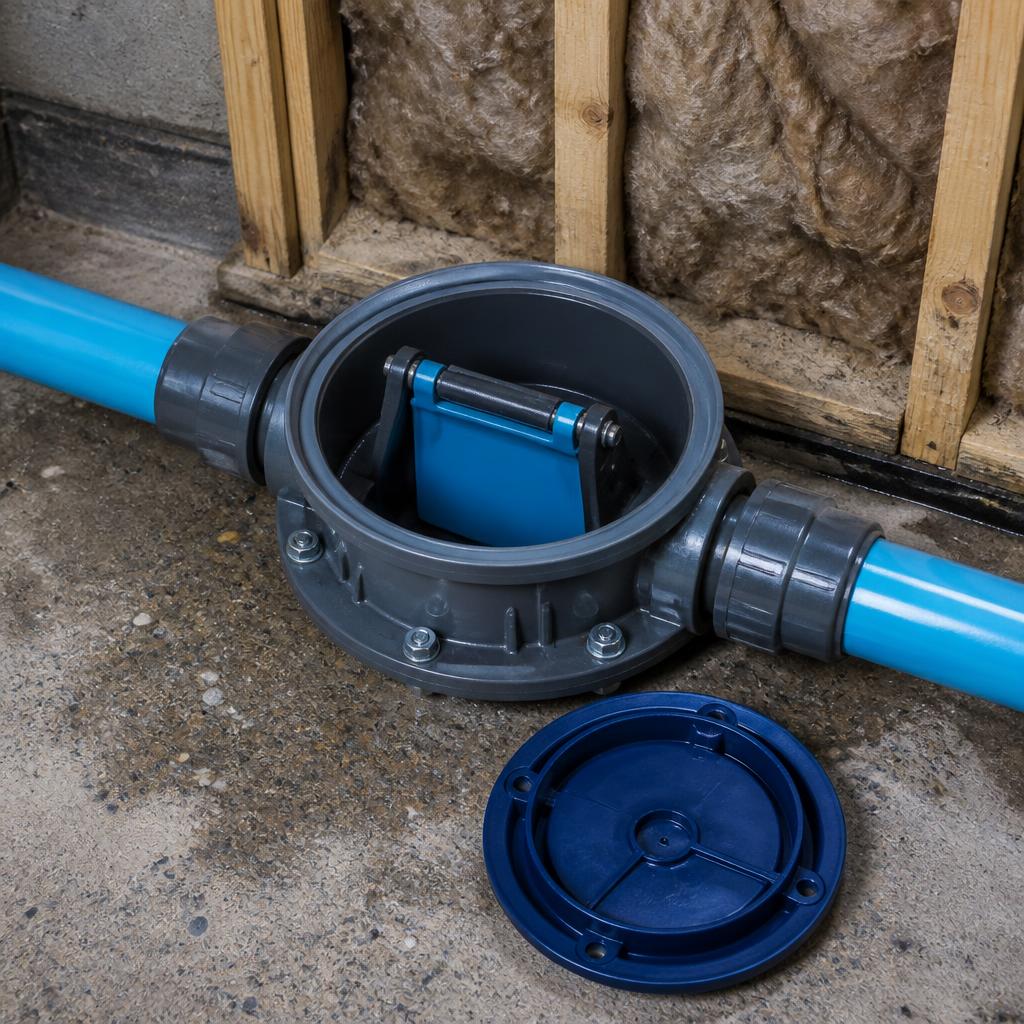
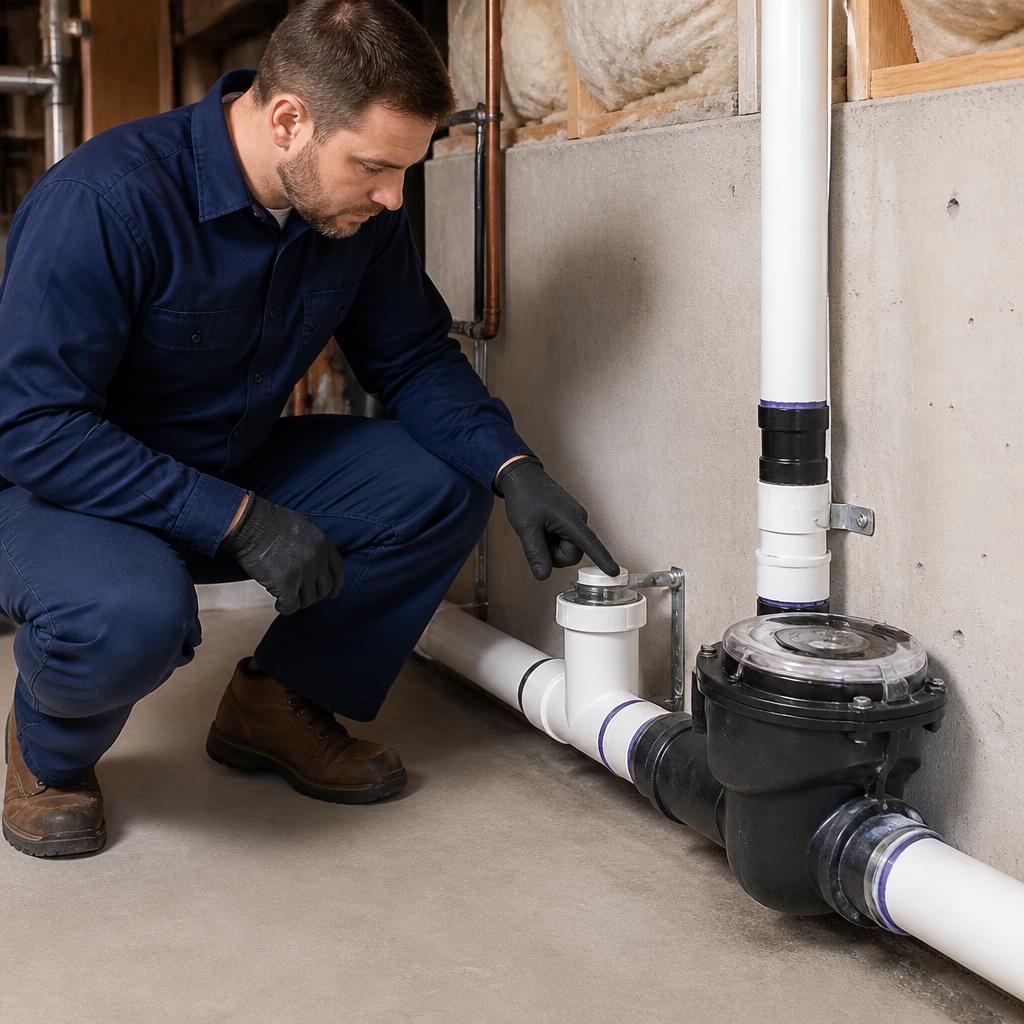
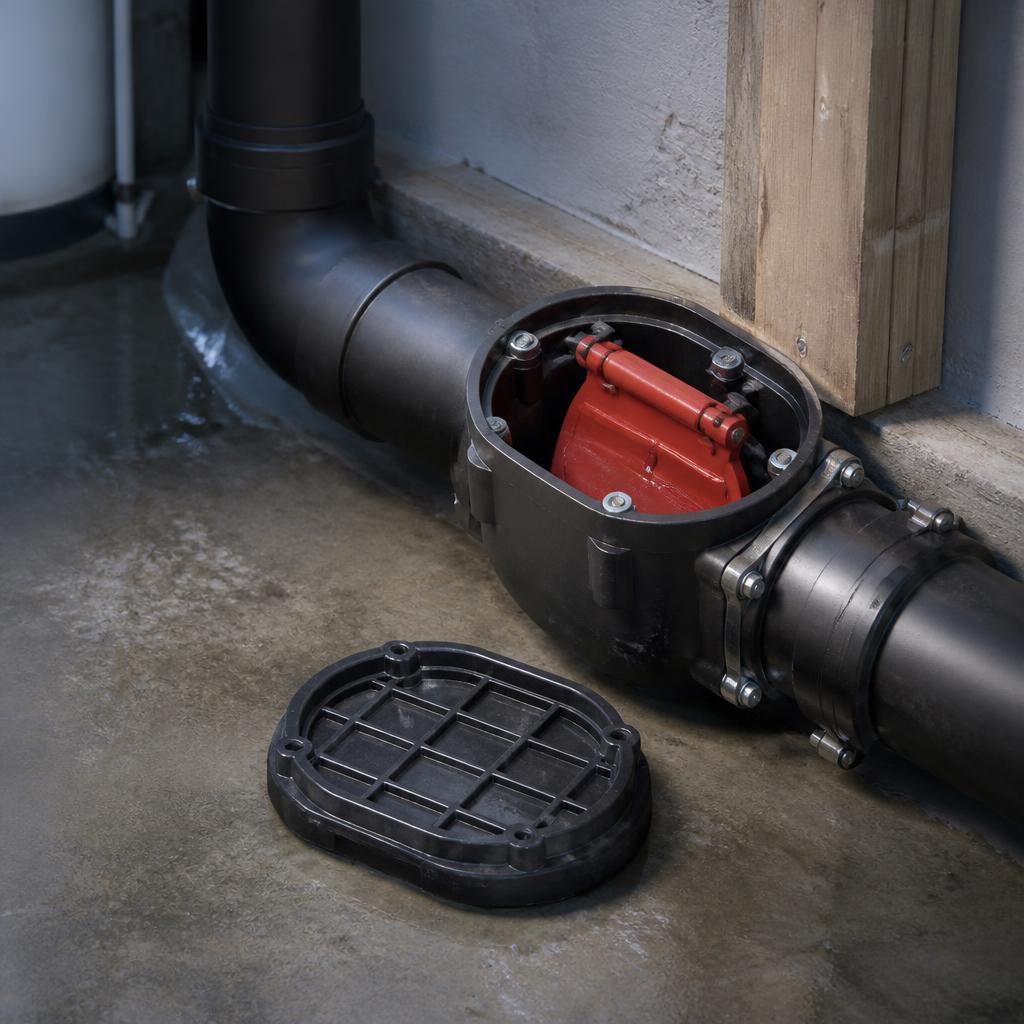
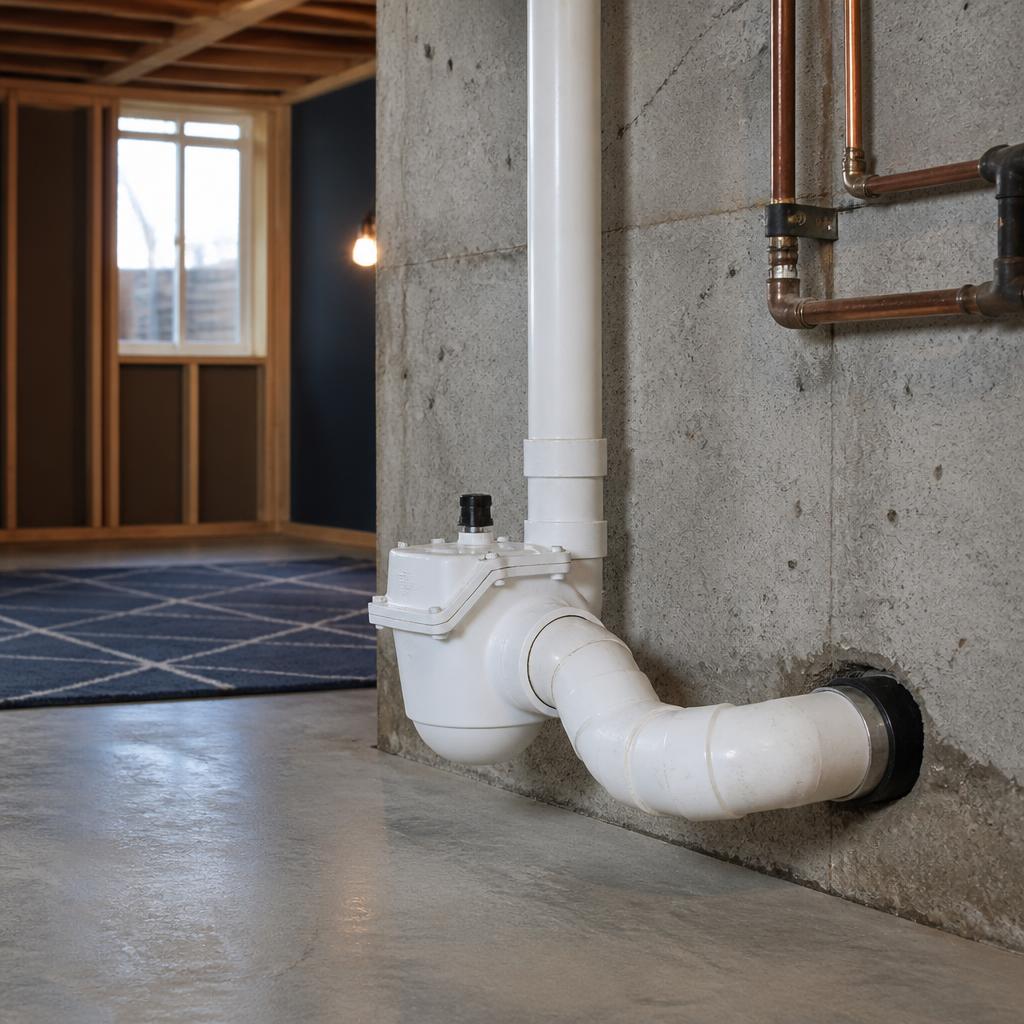
A backwater valve is a device installed on an appropriate drainage connection. When municipal sewer flow reverses toward a home, a suitable valve can close to help limit sewage from flowing back through that connection. See how the valve works.
It is one part of a home's plumbing protection. Explore our installation planning guide and Ottawa rebate overview. While the valve is closed, connected plumbing fixtures should not be used until conditions are safe and the system is checked.
Groundwater reaching a sump pit is a different concern. Our sump pump Ottawa guide explains pump care, backup options, discharge planning and City rebate requirements.
Sanitary and storm systems are different; the right assessment starts by identifying the connection.
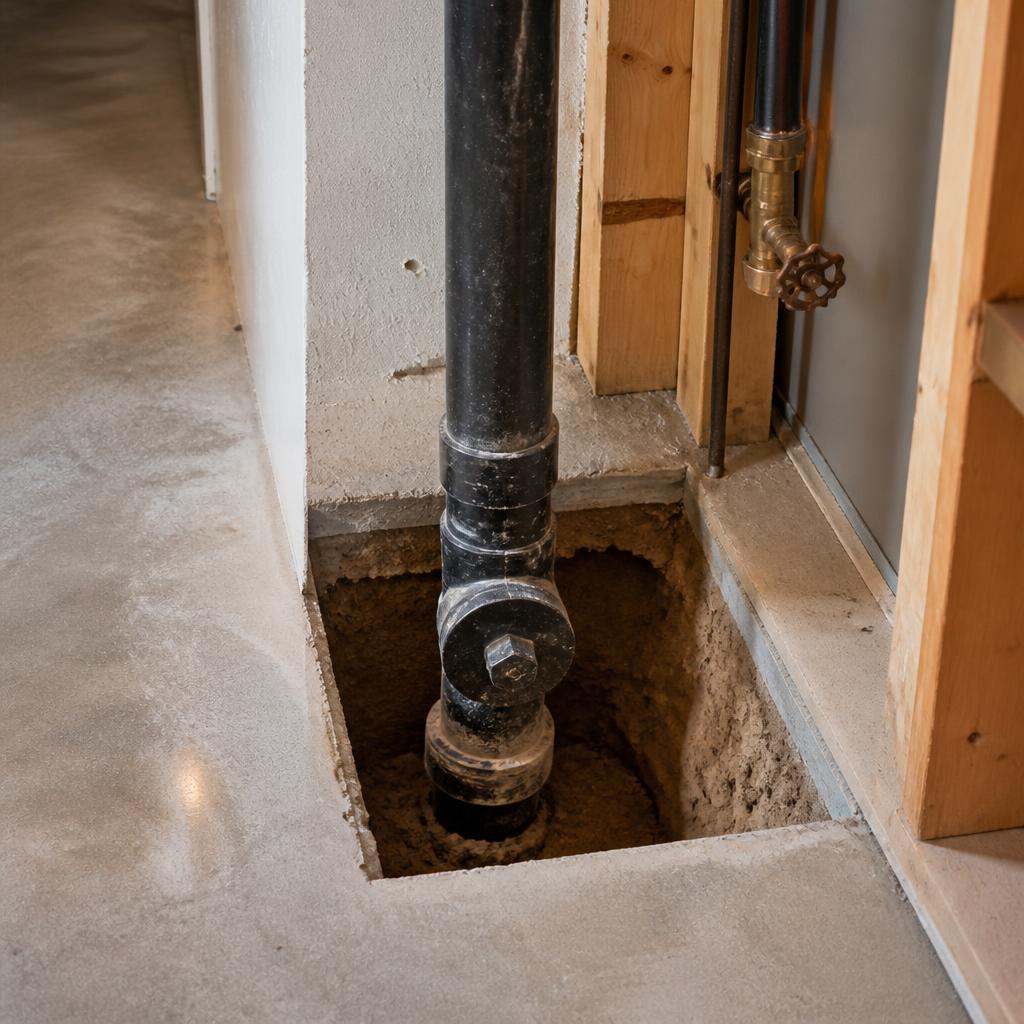
Existing plumbing, access, permit requirements and restoration affect what work may be involved.
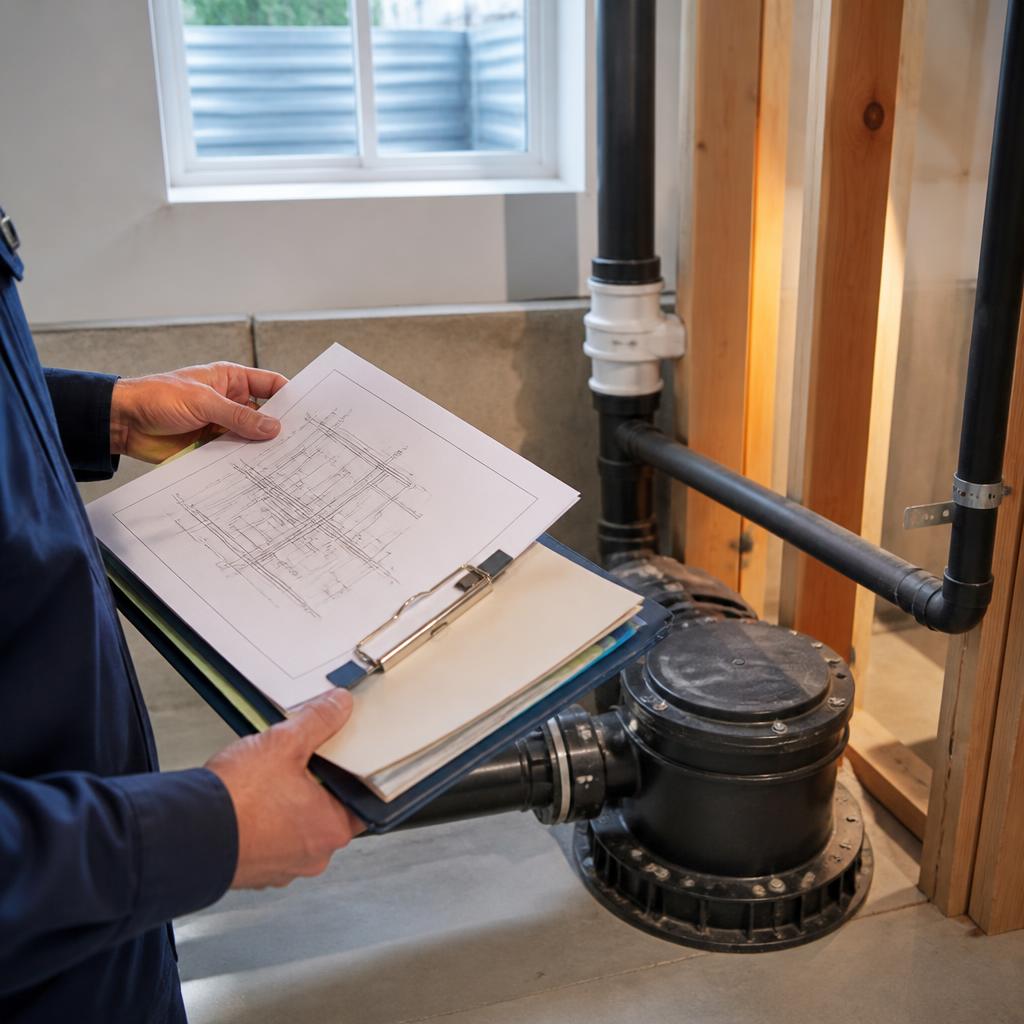
A qualified plumbing professional must assess the specific home and applicable requirements.
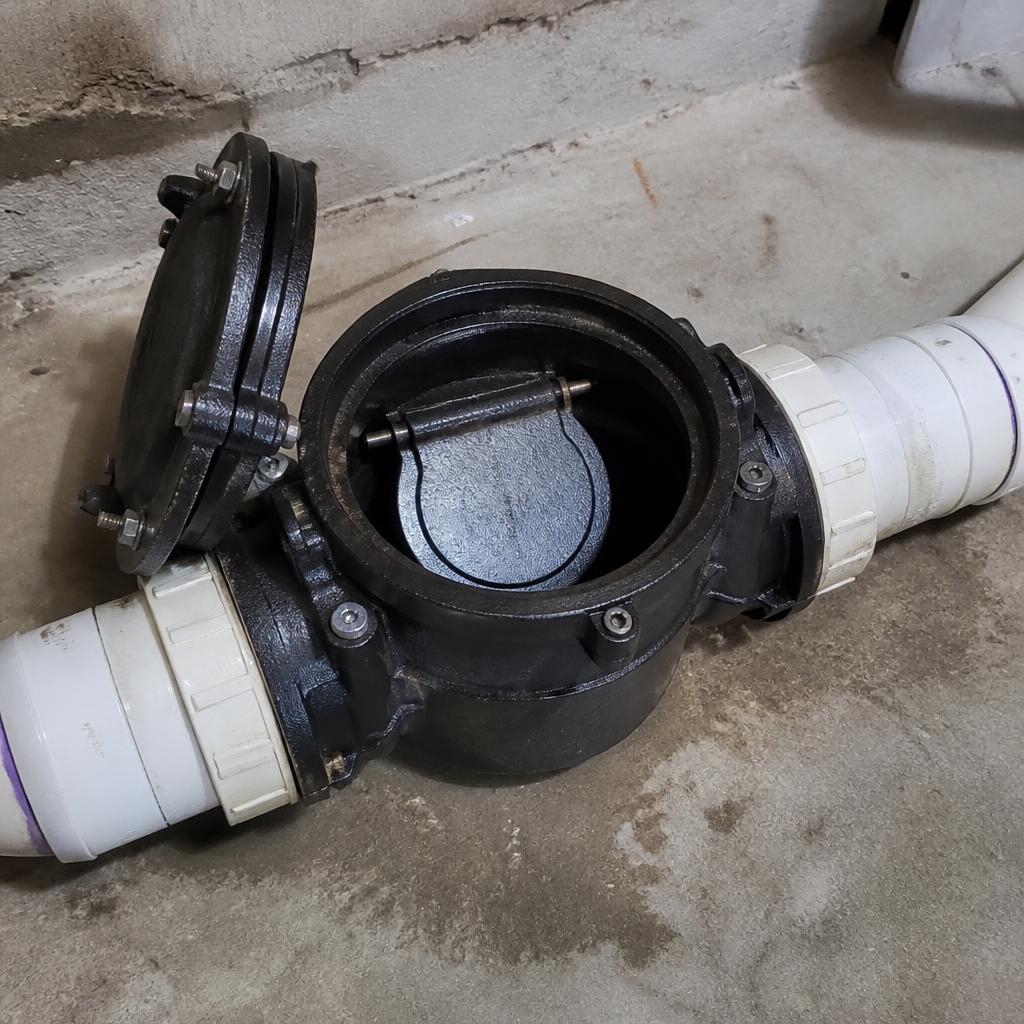
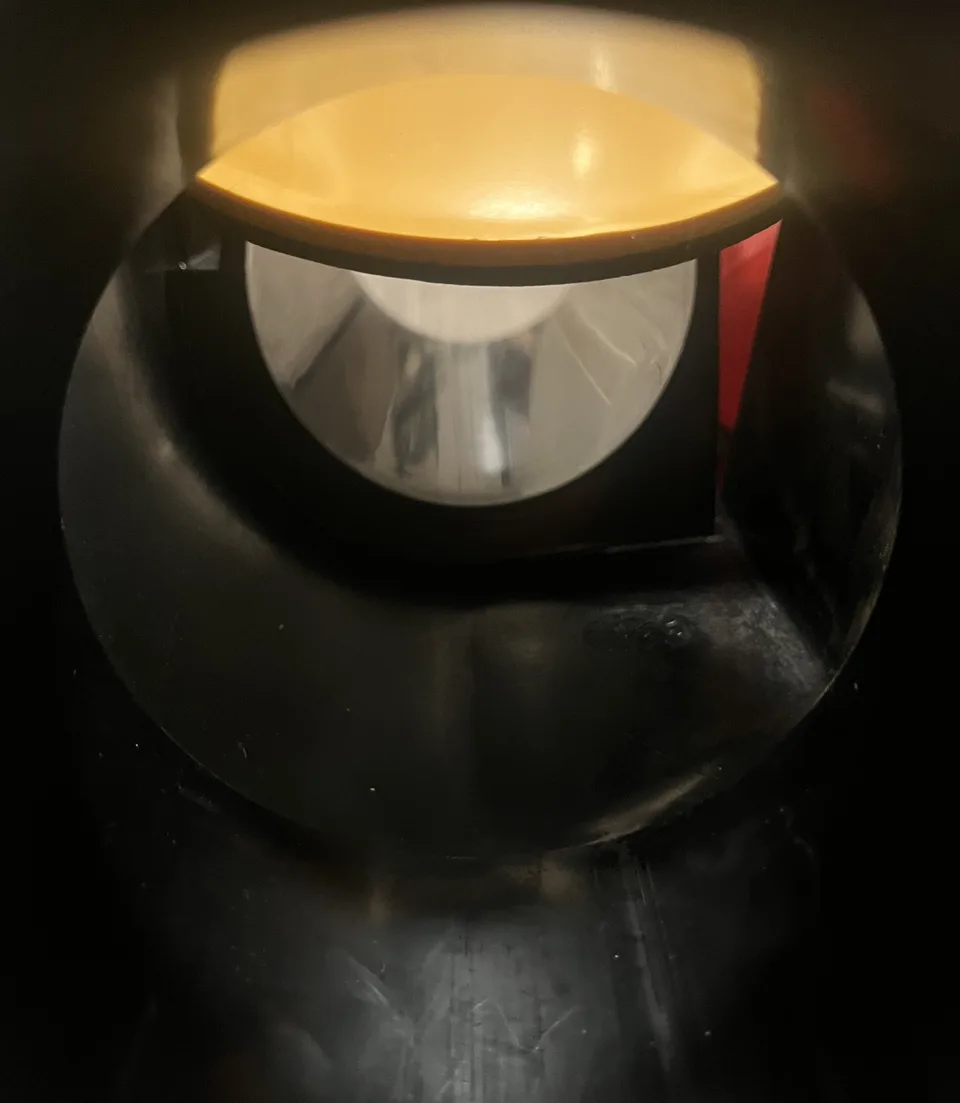
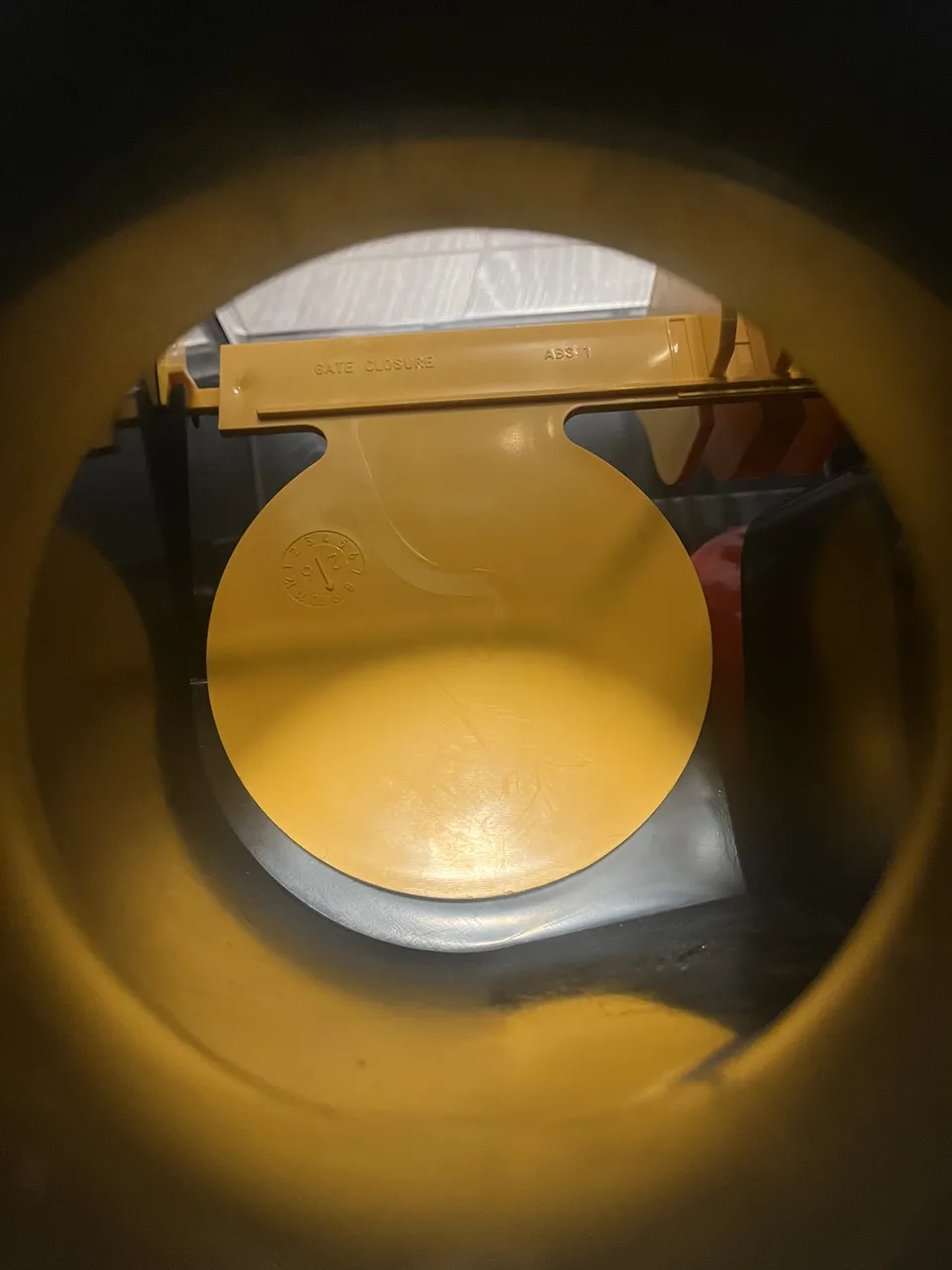
Compare real photos of the yellow flap: raised above the opening when open, and covering the opening when closed.
Real valve photos
Open flap · passage clear
OPEN · Passage clear
Valve interior: compare the yellow flap’s position.
Open: the yellow flap is raised.
In this photo, the yellow flap sits above the pipe opening, leaving a clear passage. Compare it with the closed photo to see how the flap covers the opening.
Photos show flap positions, not a live flow test or proof of valve performance. Valve designs and operation vary; follow the manufacturer’s instructions.
If a valve closes, connected household drainage may be blocked too. Do not continue normal plumbing use while closed; seek qualified guidance. A backwater valve does not prevent groundwater, surface water or plumbing leaks.
Prepare for a site assessment
The questions worth asking before valve work begins.
A useful starting point
These prompts help organize a conversation with a qualified plumbing professional. They are not a diagnosis or a quote.
Drain system01 / 06
Which drain connection is involved?
Is the concern connected to the sanitary sewer, storm drainage, or another source? A valve protects only the suitable connection where it is installed.
Ask: Ask the plumber to identify the actual line before discussing a solution.
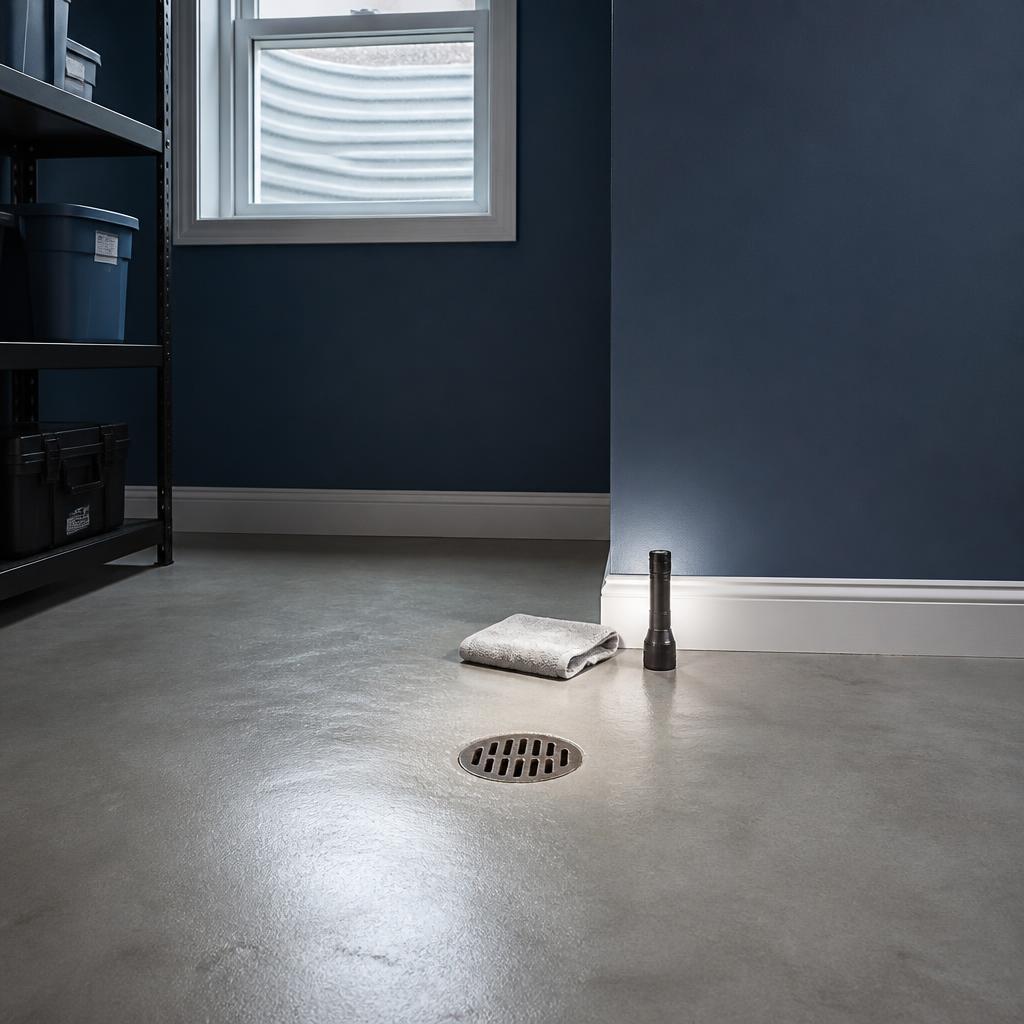
Record when it happened, which area was affected, and what you observed. Basement water can have several causes, so symptoms alone do not identify the source.
Ask: Share the history with the assessor without assuming the cause.
Installation is a process, not a one-size-fits-all package.
A professional assessment can identify the relevant drain, inspect access and existing plumbing, discuss valve placement, and clarify the permit and inspection steps before work begins.
Review the existing building drain and accessible valve locations.
Confirm the appropriate system, valve design and local requirements.
Discuss concrete access, floor restoration and inspection documentation.
Obtain required permit before work starts; confirm rebate requirements separately.
Note any prior sewer backup, the part of the basement involved, and whether you know which drainage system is connected.
Review the plumbing
Have a qualified professional assess drain configuration, valve access, condition and possible work scope.
Confirm permit & rebate
Obtain the required plumbing permit before work. Check eligibility, paperwork and timelines directly with Ottawa.
Plan work & upkeep
Clarify installation, inspection and restoration details, then follow the valve manufacturer's maintenance guidance.
City of Ottawa · preliminary guidance
Rebate amounts and criteria to verify before work.
According to the City program page reviewed November 12, 2026, maximum rebates are listed below. The City pays the lesser of the applicable maximum and eligible work cost.
Indoor sanitary valve
$1,000
Maximum listed rebate
Indoor storm valve
$1,000
Maximum listed rebate
Outdoor storm valve
$2,500
Maximum listed rebate
Plumbing permit fee
100%
Of the current fee, subject to program rules
Important: amounts are maximums, not guaranteed payments. Eligible work cost, program criteria and documentation affect any rebate. Maintenance, repair and replacement are excluded.
City eligibility includes residential property in Ottawa; the device must not have been installed by the City; a storm-valve property must have been built before Jan 1, 2004; a sanitary-valve property before Jan 1, 2012. Obtain the permit before work; review our Ottawa permit planning guide. Work must be completed and the application received within 18 months of the building-permit issue date (18-month period effective July 1, 2026). For factors that affect project scope, use the installation scope planner. Confirm current criteria with the City.
Source: City of Ottawa Residential Protective Plumbing program. Last checked . Amounts and criteria can change; the City’s current page governs.
Preliminary eligibility screener
A practical prompt for your City conversation—not an approval, an eligibility decision or legal advice.
Verify dates, permit status, eligible costs, application documents and any prior-payment restrictions directly with the City before making decisions or starting work.
Scope plannerNo configured pricing. No invented estimate.
Installation planning
What can shape the project scope?
Use this tool to organize questions—not to calculate a price. Local pricing has not been configured, so this page will not invent a CAD estimate. Review permit requirements before planning a project.
Scope notes
Choose a few details to see which project factors may need discussion. No pricing assumptions have been configured.
The City requires a plumbing building permit before backwater valve work. Confirm the application, plans, inspection steps and applicable fee with Ottawa for your specific project.
Before work begins
Confirm the permit process and requirements with the City before scheduling installation. A permit is also part of rebate eligibility.
At the property
Plumbing layout, access and existing conditions vary. A qualified professional can help determine the scope and supporting information needed.
After installation
Ask about required inspection and what records to retain for the City application. Do not assume approval or reimbursement is automatic.
Source: City of Ottawa backwater valve permit page. Last checked . Confirm current permit plans and inspection steps directly with the City.
Across Ottawa
Local context, neighbourhood by neighbourhood.
This is an Ottawa homeowner information resource, not a representation that a particular contractor serves every area. Use these neighbourhoods to describe where your property is when seeking a qualified local assessment, then prepare an assessment request.
Barrhaven · Manotick · Riverside South · Findlay Creek · Nepean
Central Ottawa
Centretown · The Glebe · Hintonburg · Alta Vista · Old Ottawa South
East Ottawa
Orléans · Gloucester · Beacon Hill · Blackburn Hamlet · Vanier
Protect the access, not just the idea
Inspection and maintenance are part of ownership.
Follow the valve manufacturer's maintenance instructions and applicable City guidance. A qualified professional can review access, debris, flap movement, seals and wear. See answers to common backwater valve questions.
Know where it is
Keep the access cover reachable and make sure household members know the valve's location and what it protects.
Check condition
Ask about debris, flap operation, seals, wear and any obstructions. Do not force components or enter unsafe spaces.
Keep useful records
Save the product details, permit and inspection documents, maintenance notes and any rebate application records.
Straight answers, with the right caveats
Ottawa backwater valve FAQs
What does a backwater valve protect against?
A suitable backwater valve can help limit reverse sewage flow through the drainage connection where it is installed. It does not protect against every source of basement flooding, such as groundwater, surface water or a plumbing leak.
How do I know whether I need a sanitary or storm valve?
Sanitary and storm drainage are separate systems with different purposes and rebate criteria. Have a qualified plumbing professional assess the home's actual drainage connections rather than inferring the valve type from symptoms alone.
Does Ottawa require a permit for installation?
The City of Ottawa requires a plumbing building permit before backwater valve work. Confirm the current application and inspection requirements directly with the City before work begins.
How much does installation cost in Ottawa?
No local pricing assumptions are configured here, so we do not publish a made-up estimate. Scope can depend on drain location and condition, access, concrete work, permit and inspection requirements, and floor restoration. Use the scope planning tool to organize questions, then request an on-site assessment for project-specific pricing.
What rebates does the City list?
As checked November 12, 2026, City program maximums are $1,000 for an indoor sanitary valve, $1,000 for an indoor storm valve, $2,500 for an outdoor storm valve, and 100% of the current plumbing permit fee. The City pays the lesser of the applicable maximum and eligible work cost. Verify current rules and your eligibility with the City.
Can I receive a rebate for maintenance, repair or replacement?
The City program excludes maintenance, repair and replacement. The listed program applies to eligible work subject to the City's complete current rules, required permit, documentation and deadlines.
When must the rebate application be submitted?
City criteria state that work must be completed and the application received within 18 months of building-permit issue; the 18-month period took effect July 1, 2026. Confirm the current deadline and application documents with the City.
What should I do if the valve closes?
A closed valve can block drainage from connected fixtures. Do not continue normal plumbing use while it is closed. Seek qualified guidance and follow the valve manufacturer's instructions and any applicable City advice.
Does this quote form send my details to a plumber?
Yes. After you check the consent box and submit, the assessment form attempts to email your details to the plumbing contact at listerplumbing@hotmail.com for follow-up. This is an inquiry, not a confirmed appointment. Delivery is not guaranteed. If the form reports an error, please try again or use the direct email link below the form.
A thoughtful next step
Prepare a clear request for an assessment.
Share your Ottawa area, goal and any access or permit questions. After you consent, the form emails your inquiry to the plumbing contact for follow-up.
Before you send: Your inquiry goes to listerplumbing@hotmail.com through the connected Gmail account. The site does not store submissions. Do not include payment details or other sensitive information.
 Drain system01 06